Top Lead Generation Tool

Top Lead Generation Tool for Dubai Businesses in 2025

The digital landscape in Dubai is advancing quickly. From small businesses in Downtown Dubai to large companies in Business Bay, everyone is trying to find smarter, faster, and more efficient ways to reach customers. One underlying factor in all of this growth is lead generation.

If you’re advertising, emailing, or optimizing your website and still have a problem converting visitors into customers, you need to look into what a Lead Generation Tool can do for you. They help you automate or systematize how businesses find, attract, and nurture leads, and they’re essential in today’s marketplace.

What is a Lead Generation Tool?

A Lead Generation Tool is a software product that is developed to locate, capture, and help convert leads into potential clients for your business. Whether you are managing a real estate agency, a digital marketing agency, or an e-commerce site in Dubai, these tools help you find your high-quality leads through automating outreach, tracking engagement, and qualifying leads.  

Most lead generation tools can integrate with and/or enhance your existing website, CRM, or social media platforms, and let your team concentrate on what matters the most — turning interest into sales.  

In other words, you will spend significantly less time looking for contacts or sending mass messages, and in many cases, the lead generating tool will do most of the work for you.

Why Dubai Businesses Should Have a Lead Generation Tool

Dubai has a business environment based on innovation and technological usage. With the increasing number of companies in the market, the challenge is not being seen more, it is the ability to keep building consistent connections to the right people.

Here is the reason a Lead Generation Tool for Dubai Businesses is a necessity, not an option:

1. Highly Competitive in All Industries

Industries such as real estate, e-commerce, hospitality, and professional services are rapidly digitizing. Lead generation tools allow businesses to identify the right clients sooner and in a more cost-effective way.

2. Cultural Diversity in the Market

The Dubai market is multicultural with different preferences and purchasing behaviour. These tools offer the ability to segment audiences for personalized campaigns and reach potential clients where they prefer.

3. Change to Digital Transformation

With AI and automation leading the way, lead generation tools provide analytics, automation, and targeting capabilities that you cannot accomplish with manual marketing.

4. Real-Time Data Insights

A good tool can track user behaviour and daily engagement patterns, allowing you to optimize campaign results immediately.

The Best Lead Generation Tool for Dubai Organizations: HubSpot

Among the hundreds of Lead Generation tools available in the market today, HubSpot remains the best Lead Generation tool for Dubai organizations — and for good reason.

HubSpot is not simply a CRM. It is a full inbound marketing and sales platform that enables organizations to manage contacts, track leads, automate their marketing activities, and assess performance in one place.

What’s so powerful? Let’s break it down.

What HubSpot does (and who is it best for?)

HubSpot’s Lead Generation system provides Dubai organizations the ability to get in front of the right audience through many channels, including forms, landing pages, live chat, email marketing, and automation workflows.

Best For:

  • Small to mid-sized organizations looking to automate their marketing and sales process.
  • Agencies and service providers who are targeting long-term relationship nurturing.
  • Enterprises that need an integrated CRM with advanced analytics and reporting capabilities.

Use Cases:

  • Real Estate Agencies can capture property leads via landing pages and automatically trigger personalized emails to follow up.
  • E-commerce Stores can track behaviour, recover cart abandonment, and reach out with product recommendations.
  • B2B Organizations can automate outreach and track the lead through the first touch and the conversion.

Key Features That Make HubSpot the Best Lead Generation Tool

1. All-in-One Marketing and Sales Platform

HubSpot combines lead capture forms, email automation, CRM, tracking of social media, and analytics into one easy-to-use system.

2. Smart Leads Tracking

It allows you to learn who is visiting your website, what pages they have looked at, and how they are interacting with your content — making it easy to know which leads need our attention.

3. Automated Workflows

Whether it is a welcome email or a drip campaign, HubSpot’s automation makes your life easier while still allowing the user to have a personalized experience.

4. Landing Page Builder

Quickly create responsive and high-converting landing pages in minutes without requiring a coding background.

5. CRM Integration

The CRM automatically records lead data and interactions to ensure you do not lose any prospects’ valuable information.

6. Live Chat & Chatbots

Instantly connect with visitors using automated chat, or a live customer service agent — great for Dubai businesses that receive inquiries 24/7.

7. Advanced Analytics & Reporting

HubSpot has great reporting on performance at every stage of your funnel, helping ensure you can make the right decision.

Benefits of HubSpot as a Lead Generation Tool

  1. Easily Integrates – Works seamlessly with Google Ads, Facebook, LinkedIn, Shopify, and WordPress.
  2. User Friendly Experience – Very easy to navigate, even for someone who has never used CRMs, marketing apps, or analytics tools before.
  3. Scale Automation – HubSpot eliminates repetitive every-day tasks, all while maintaining or possibly even optimizing the conversion rate.
  4. AI Analysis – Smart led scoring, and predictive analytics, identify leads who are most likely to convert.
  5. Global Application – A great fit for Dubai’s enterprise market.

How HubSpot Supports Dubai Business Needs

Dubai’s dynamic enterprise landscape demands solutions that are fast, scalable, and adaptable to its client needs. HubSpot addresses each of these precise requirements through both localized marketing automation and analytics based strategies.

1. Multi-Language and Multi-Currency Support:

The Dubai market comprises Arabic and also English speakers. HubSpot takes this into account and is a multi-language implementation, and supports many regions’ currencies to specifically engage a dominant consumer base.

2. Integration with Local CRMs and Tools:

HubSpot seamlessly integrates with other commonly used tools in the region such as Zoho, Salesforce, or WhatsApp Business API, allowing businesses to centralize and streamline communication.

3. AI Personalization:

Ultimately, HubSpot uses AI behavioural and demographic suggestions to personalize emails, ads, and landing pages items which is a great way to target and engage Dubai’s diverse consumers.

4. Support for Remote Work and Hybrid Work:

As more businesses pivot to hybrid work cultures, HubSpot’s cloud-based dashboard enables companies to manage their leads from anywhere in their UAE offices.

How to get started with HubSpot in Dubai

A lead generation tool like HubSpot can be implemented by companies in Dubai without needing a technology degree. Just follow these simple steps and you’ll be on your way:

Sign up for HubSpot’s Free CRM Plan

Download the free version so you can get a feel for contact management, live chat, and email tracking.

Integrate the Platforms You Currently Use

Link your website, email, and social media accounts to connect all your channels into one space where you can sync everything.

Create Lead Forms and Landing Pages

Create attractive landing pages with highly optimized call-to-actions aimed at your audience in Dubai.

Set Up Automate Workflows

Automate your follow-ups and nurture campaigns for quicker conversion timelines.

Track and Analyse Performance

Use HubSpot’s analytics dashboard, to check which leads are coming from which campaigns.

Other Popular Tools for Lead Generation

While HubSpot is the best option, and often the best platform for many, here are two other platforms who excel at metrics specifically for businesses in Dubai:

  • Zoho CRM – A great option for smaller businesses, affordability, and customization.
  • LinkedIn Sales Navigator – A great option for B2B lead generation and prospecting outreach.
  • Pipedrive – A visual CRM that works well for tracking the stage of a deal
  • Salesforce – A true heavyweight enterprise solution that offers comprehensive analytics for large-scale operations.

Each tool has its advantages, but HubSpot is simply better in terms of its ability to combine usability, automation, and performance tracking than most of its competitors.

Conclusion

Lead generation is not only about collecting leads, it is also about relationship building, majoring your data, and automating meaningful engagement for your business. For companies in Dubai operating in a fast-paced digital landscape, investing in the right Lead Generation Tool can be the difference between growth and stagnation.

While there are many tools out there, HubSpot for sure is the leading lead generation tool for businesses in Dubai, that offers anything from advanced CRM integration to the power of insights driven by AI, to automation, and analytics.


Interesting Reads

AI Security Posture Strategies for Safer AI Deployment

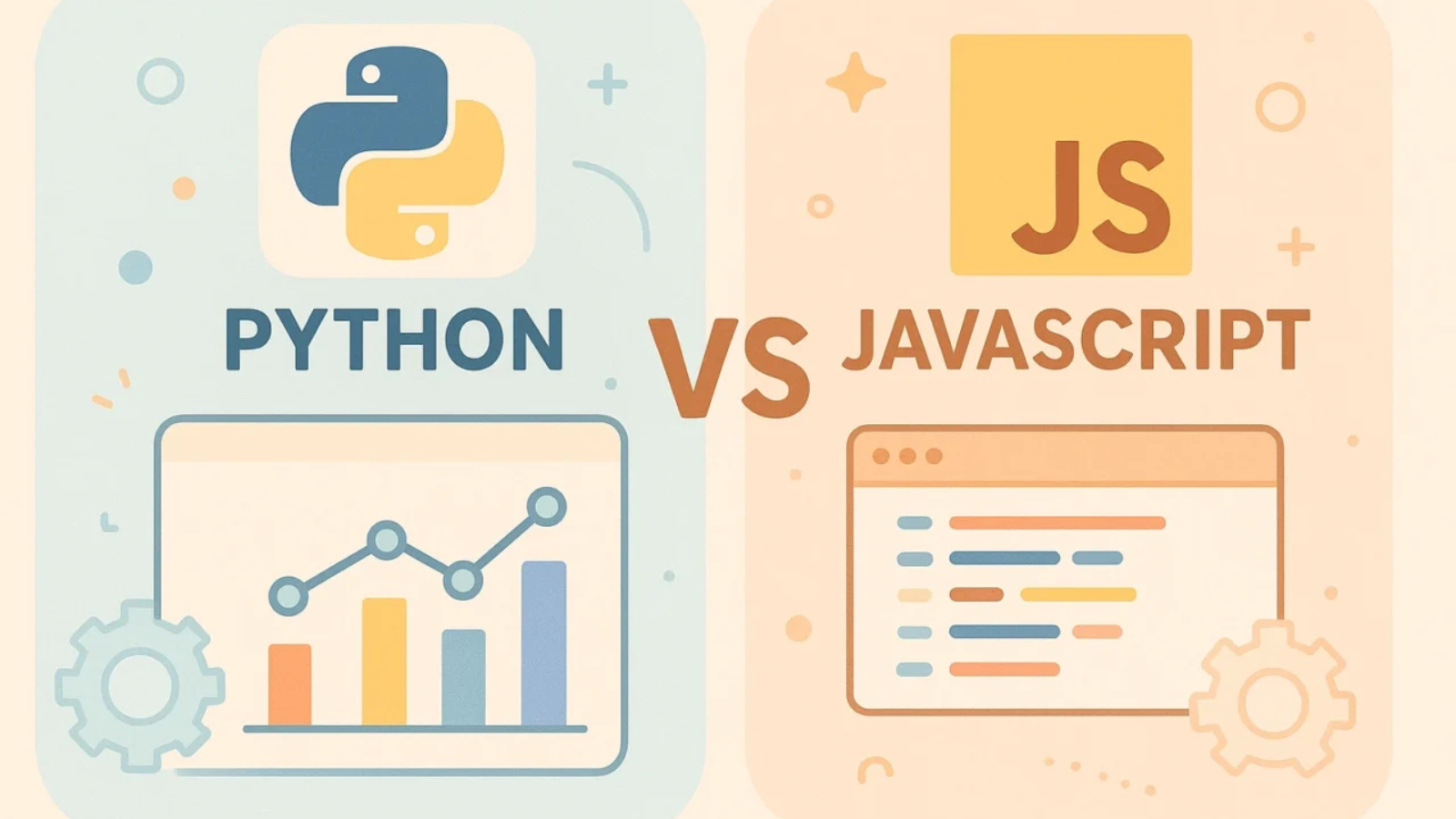
Python vs JavaScript: Comparison, Use Cases, Pros and Cons

Computer Vision vs Machine Learning: Key Differences and Use Cases

Python vs JavaScript

Python vs JavaScript: Comparison, Use Cases, Pros and Cons

A significant area of discussion within programming revolves around programming languages, especially Python and JavaScript. If we look to the technology sector, we don’t need to look too far to find that both are the most widely utilized programming languages, each with strengths that meet their intended aims. This means that whether you’re a beginning programmer or your organization is seeking to produce the best product, knowing the differences, as well as the pros and cons of each, is crucial.

At a glance both Python and JavaScript look the same in that they are both a high level, interpreted, programming language that are designed to be as simple and flexible as can be, but in practice they are playing different roles in development. Python is typically used for AI (artificial intelligence), data analytics, and as a backend framework, whereas JavaScript is intended to add interactivity in regard to the web, or create mobile applications which dynamically involve user interaction. 

What is Python?

Python​‍​‌‍​‍‌​‍​‌‍​‍‌ is a high-level, general-purpose programming language which emphasizes a clear syntax that is often described as being quite similar to the English language. Its creator, Guido van Rossum, released it in 1991 and the main idea was that the code should be as readable as possible, just like normal English.

As a matter of fact, Python is now the top choice of developers, data scientists, and researchers because of its user-friendly nature and flexibility. The language is basically an all-in-one tool for any idea you have, from setting up servers for websites, to training deep learning models, to even task automation.

What really makes Python stand out from the crowd is the number of libraries it has. Libraries such as Numba, Pandas, TensorFlow, Scikit-learn, and Django offer endless possibilities to developers, anything from doing complex calculations for scientific research to building powerful web apps can be achieved in no time.

In addition, Python encourages quick coding and is very approachable for beginners, which means it is a great selection for people that are just starting out in programming.

Python is best suited for:

  • Data analysis and visualization
  • Machine learning and artificial intelligence
  • Backend web development
  • Automation and scripting
  • Software prototyping

What is JavaScript?

JavaScript is the major force that enables the World Wide Web to function. The language was launched in 1995 by Brendan Eich and after that, it has been constantly improved and extended to the point where it now forms the base of modern software development.

The main purpose of JavaScript when it was first developed was to bring interaction to web pages. Nevertheless, with enhancements like Node.js, React, Angular, and Vue.js, this technology can be employed both on the frontend and backend, thus allowing the creation of complete web applications with a single language.

In distinction from Python which according to the majority of users is meant to be utilized on server-side, JavaScript is executed directly in browsers, thus providing immediate changes and also dynamic user interfaces without the need to load the entire page again. Moreover, it is also the hardest to name besides a few that can do client-side and server-side programming simultaneously, i.e full-stack development.

JavaScript is best suited for:

  • Interactive and dynamic web applications
  • Frontend and full-stack development
  • Real-time applications (like chat systems or streaming apps)
  • Mobile app development (with React Native or Ionic)
  • Browser-based ​‍​‌‍​‍‌​‍​‌‍​‍‌games

Use​‍​‌‍​‍‌​‍​‌‍​‍‌​‍​‌‍​‍‌​‍​‌‍​‍‌ Cases of JavaScript

JavaScript remains the primary means of creating an interactive website, as well as for dynamic front-end development. Most of its utilization can be found in the following areas:

  • Frontend Web Development: JavaScript is the main source of energy for the change of dull user interfaces into interesting ones. Libraries like React, Vue.js, and Angular not only make frontend development easier, but also more efficient.
  • Backend Development with Node.js by using Node.js, JavaScript is transitioned to the server-side, thus full-stack development is achievable, which means that one language can be utilized for the whole application.
  • Mobile App Development Programmers can create cross-platform mobile applications that operate seamlessly on both Android and iOS through the implementation of the React Native framework.
  • Game Development: with the help of such engines as Phaser and Three.js, JavaScript can offer simple games that a user can run in a browser, as well as it can be used for 3D animations and graphics creation.
  • Real-Time Applications: JavaScript’s event-driven architecture is a perfect match for the needs of the apps that are dependent on the latest changes, for instance, a chat app, or a streaming service, where the user interaction is done in real-time.

Pros and Cons of Python

Advantages of Python:

  • It is very simple and extremely easy to understand.
  • Just right for quick development and making prototypes.
  • Which is basically a huge number of libraries for AI, data science, and automation.
  • Having a good number of developers spread all over the globe, its community worldwide is very supportive.
  • Extremely portable and can be easily integrated with other technologies.

Disadvantages of Python:

  • Compared to compiled languages such as C++ or Java, it is slower.
  • Not a very good choice for mobile app development.
  • Also, the support for browser-based applications is very limited.
  • Dynamic typing may sometimes cause runtime errors.

Pros and Cons of JavaScript

Pros of JavaScript:

  • Does not need any other software, and works straight away with browsers, thus enabling interactivity to be done in real-time.
  • Highly adaptable and can be used to create frontend, backend, and even mobile applications.
  • When done with the help of high-quality engines like V8, it is very fast in its performance.
  • Along with a large community, it also has a decent number of frameworks to provide support.
  • Asynchronous programming, which is the key to enabling real-time applications, is something JavaScript is particularly well suited for.

Cons of JavaScript:

  • Security-wise, it can have problems, as it is open on the client-side.
  • At times, it might be very hard to find the location of errors in asynchronous code.
  • Inconsistencies in performances may result from different browsers.
  • Non-strict typing may cause a presence of unfound logical errors. ​‍​‌‍​‍‌​‍​‌‍​‍‌​‍​‌‍​‍‌​‍​‌‍​‍‌

Python​‍​‌‍​‍‌​‍​‌‍​‍‌ vs JavaScript: Performance and Community Support

JavaScript is substantially faster than Python when it comes to performance. This is due to the fact that the engines it uses are optimized for the browser. JavaScript is thus the best candidate for web applications that are interactive and loading fast.

On the other hand, the Python development process is way more convenient and comfortable for logic-heavy types of applications like AI models, financial software, and data processing systems.

As far as community and ecosystem are concerned, the both languages that are being discussed here have strong ones. Python has a better grip on the academic and data science community, while in the web development sector, JavaScript has the leading position.

Which Language Should You Choose First?

When it comes to web development, frontend design, or building real-time apps, your first step should be learning JavaScript. Creating modern websites and apps is where it’s most needed, plus it carries one of the largest developer ecosystems in the world.

On the contrary, if you are attracted to dabbling in data science, automation, backend development, or AI then Python would be the best choice. The language is more user-friendly, simpler for beginners, and provides unlimited possibilities in the future tech fields.

Eventually, the majority of developers make a decision to learn both Python and JavaScript.

These two languages complement each other.

Conclusion: Python vs JavaScript – The Final Verdict

The Python vs JavaScript comparison is not about which is better overall, it is about choosing the most suitable tool for your goal. For instance, intelligent systems are to be built if you desire to automate tasks or analyse large datasets. In that case, Python is the best companion to have around. It not only makes the operations simple, but research-driven development also goes faster.

On the other hand, if your aim is to produce websites that engage visually, interactive dashboards, or real-time web applications, then JavaScript is the language that you must have.

Both Python and JavaScript have given ways to their successors, but still, they will not disappear soon. The brightest option? Getting proficient in both – the combination of Python’s intelligence and JavaScript’s interactivity is a perfect duo that defines present-day ​‍​‌‍​‍‌​‍​‌‍​‍‌technology.


Interesting Reads :

AI Security Posture Strategies for Safer AI Deployment

Computer Vision vs Machine Learning: Key Differences and Use Cases

The Rising Importance of Intelligent Testing in Modern Software Environments


AI Security Posture

AI Security Posture Strategies for Safer AI Deployment

Artificial​‍​‌‍​‍‌​‍​‌‍​‍‌ Intelligence (AI) has undergone an incredible transformation and is no longer just a sci-fi concept; it represents the core of modern industries. AI is being widely used in healthcare, finance, supply chain management, and e-commerce sectors for decision-making, task automation, and marketing at a grand scale.

However, the growth of AI power has also been accompanied by its risks. There have been instances of hackers discovering new tricks to exploit algorithm weaknesses, mislead training data, and even tamper with model integrity. To tackle this problem, AI Security Posture has become an in-demand topic, which is basically a comprehensive plan for security check, enhancement, and upkeep in the AI domain.

Basically, your AI Security Posture is a measure of how securitized, resistant, and in a word, reliable, your AI setting really is. The concept reaches models not just being trained and tested but also those being deployed, then monitored, and finally protected from adversarial attacks.

Understanding AI Security Posture: What It Really Means

AI Security Posture is the readiness of a company to defend AI systems, AI-related data, and AI operations against threats from both within and outside the organization. It is a comprehensive model that attributes to governance, data accuracy, security tests, and risk management while ensuring that security is the key in every phase of AI tech development.

An effective AI Security Posture equips enterprises with the capabilities to:

  • Continue data confidentiality and privacy.
  • Avoid model manipulation and adversarial attacks.
  • Upkeep transparency and ethical norms.
  • Support the emerging AI governance regulations to be compliant.

To the point, it is the underlying referent for AI systems to be reliable, logical, and to have the strength to bounce back under any given scenario.

AI Security Posture goes beyond the traditional cybersecurity which mainly deals with IT infrastructure, networks, and endpoints. On the contrary, AI Security Posture addresses the protection of peculiar susceptibilities associated with machine learning models e.g., issues around training data, algorithmic fairness, and model interpretability.

Why AI Deployments Are Vulnerable

AI deployments are especially vulnerable to a different set of security risks than those affecting traditional systems. Let’s find out the most frequent threat sources that result in AI integrity breaches:

1. Data Poisoning

Artificial intelligence models rely on data, that is large datasets, to learn. When attackers purposely add misleading or harmful data in training datasets, the model will learn to generate false patterns and that will lead to biased or inaccurate outputs.

As an illustration, a fraud detection system that has been trained on poisoned data could be able to detect fraudulent transactions as legitimate ones.

2. Model Inversion and Extraction

By the use of reverse-engineering methods, the intruders can get hold of the confidential information that was used for model training or even imitate the model’s functionality. Besides, this allows stealing of the user’s private data and, moreover, intellectual property theft can be done as well.

3. Adversarial Attacks

Minuscule, unnoticeable alterations in input data, e.g., a couple of pixels that have been changed in an image, could trick AI systems to come up with wrong answers. The effects of this in autonomous driving or facial recognition can be quite serious.

4. Supply Chain Risks

The AI machines are usually a combination of several third-party software, APIs, and pre-trained models. Each of these parts may be the reason for the system’s weakness if the component is not properly checked or secured.

5. Governance Gaps

Improper management and lack of monitoring provide an environment for the models to depart, have low performance, or even be biased from ethical and regulatory standards thus, resulting in lost compliance and trust.

These risks highlight the importance of organizations treating AI security as a continuous effort rather than a one-time setup.

Key​‍​‌‍​‍‌​‍​‌‍​‍‌ Strategies to Strengthen AI Security Posture

It is necessary to have layered and well-planned defenses to create a strong AI Security Posture. Here are some of the concepts that have been proven to raise AI safety at the stages of the development and delivery.

1. Create a Robust AI Governance Framework

A strong governance framework is the mainstay of AI security. This structure demonstrates how data is sourced, who can work with it, how models are educated, and how the final results are checked.

Some elements of AI governance being implemented effectively are:

  • Policy Definition: Creating standards of ethical use of the AI, respect for privacy, and observance of the law.
  • Access Management: You can keep the model from being viewed, altered, or executed only by the qualified personnel.
  • Compliance Auditing: Monitoring of the compliance with rules such as GDPR is done regularly.
  • Accountability Measures: The AI teams become responsible for each stage of implementation by means of assigning them the ownership.

The thought of governance makes sure that every decision-point from choosing the dataset to publishing the model is accountable and legal.

2. Prioritize Secure Data Management

It is hard to argue that data is the main source of AI, therefore it must be put under tight security.

Some of the best data security measures are:

  • Allowing access to the data only through encrypted tunnels that can be established both in storage and during data transfer.
  • Making use of data anonymization and differential privacy in order to prevent parts of the datasets from being traced back to individuals.
  • Setting up robust version control that allows for seeing all the changes made to a dataset.
  • Performing data integrity checks regularly in order to have a continuous monitoring system which is capable of recognizing occurrences in the data or unauthorized changes.

Thus, by investing in data governance, an organization significantly expands the base of its AI Security Posture.

3. Adopt Security-by-Design Principles

One of the main principles of AI is security that has to be incorporated into AI development right from day one and should not be considered later.

With the help of security-by-design, the developers can take the security issues head-on and plan ahead for it. This entails:

  • Identifying the risk factors for every stage of the project via risk assessment.
  • Strictly ensuring that the Data coming in is original & the Data going out is valid (Data input/output validation).
  • The simplest mode of access restrictions (least-privilege) shall be applied to AI tools and APIs.
  • Designing the models with the feature of explainability as well as auditability

By taking such a stand, organizations can be sure of the security of their AI models, even before the production phase.

4. Use Adversarial Testing and Red Teaming

There is no complete safety in any system unless it has been put to the test by simulated threats. In the same way, adversarial testing or AI red teaming means that the team tries to simulate real-life attack situations to find the cracks which can be exploited.

During red teaming:

  • Data poisoning and model extraction operations will be simulated by the team.
  • The model’s capacity will be evaluated with manipulated inputs.
  • After having recognized the loopholes, they will confirm that these have existed in the system before the setting is done.

This style of testing helps the company to have a profound knowledge of the big AI threat world, thus they will be able to mitigate security breaches effectively.

5. Implement Continuous Monitoring and Model Observability

While traditional systems are stable, an AI system is dynamic. Models continue to grow and develop as data is collected, which can create new vulnerabilities in the process.

Establishing continuous monitoring ensures the AI system remains reliable, fair, and secure even after it is deployed.

Organizations should:

  • Advocate adopting AI observability tools to monitor drift and performance anomalies.
  • Identify and implement automated alerts when there are attempts to access the model and/or access the data in an abnormal way.
  • Perform regular evaluations of model output for consistency in order to detect manipulation or bias.
  • Document all interactions to provide forensic evidence in the event of a compromise.

Continuous monitoring helps turn AI from a “black box” into a transparent system that is traceable. It gives security teams real-time visibility into model behaviour, allowing AI Security Posture Management to have immediate metrics to address if something goes awry.

6. Conduct Periodic AI Security Posture Assessments

AI systems must undergo periodic security posture assessments, just like traditional systems undergo network audits to evaluate how well our defences are working.

A successful posture assessments includes the following:

  • Evaluate the security of model vulnerabilities and patch accordingly.
  • Evaluate data storage and handling concepts.
  • Evaluate compliance with both organizational policies and regulatory compliance.
  • Perform tabletop incident response testing for the identified AI threat. These evaluations offer quantifiable insights and measure the extent of AI security maturity.

They determine whether your current defence strategies are working, or if there are weaknesses that attackers can exploit.

By conducting these audits on a quarterly or bi-annual basis, organizations remain nimble, adaptable and aware of the changing risk landscape.

7. Implement Explainable AI (XAI) for Transparency and Trust

One of the most neglected pieces of AI security is trust. When users, regulators, or stakeholders do not understand how an AI model makes decisions, it becomes impossible to detect or demonstrate that the model was compromised.

That is where Explainable AI (XAI) comes in. XAI enables humans to follow how a model makes decisions—thus making it easier to identify irregularities or unethical behavior.

Explainable AI permits a stronger AI security posture due to the following reasons:

  • it defines the conditions which would indicate tampering or data bias early,
  • it allows for transparent audits for regulatory compliance, and
  • it increases user trust and accountability

For example, suppose AI is used in credit approval, and suddenly the model begins rejecting credit applicants who should have valid approvals—the analyst can revert to the reasoning or form of the model to identify the reason for the change in outcome (i.e. faulty dataset, bias, or security incident).

Transparency is good for ethics, and it is good for defence too.

8. Enhance AI Supply Chain Security

The majority of AI systems are not constructed as standalone entities; these systems may pull on external datasets, pre-trained models, APIs, and open-source libraries, all of which contribute greatly to the accelerated development of innovation but concurrently poses risk.

Supply chain attacks, in particular, have become very sophisticated, to the point attackers will compromise a third-party tool or update, and use that to access the organization’s system.

Here are some suggestions for how to lock down your AI supply chain:

  • Use third-party models only from verified and trusted providers.
  • Consistently monitor software dependencies patches/updates.
  • Where applicable, utilize digital signatures and code integrity verification for all dependent code and libraries that are imported into a project.
  • Scan any new AI modules for vulnerabilities prior to implementation.

Taking measures to secure the supply chain to your model creates many layers of defence around the AI infrastructure. This also helps to protect the organization while protecting the organization’s user base from indirect threats to their confidential information.

9. Encourage Collaboration Between Security and Data Science Teams

At the end of the day, the most significant obstacle to a strong AI Security Posture is not technical—but organizational. A significant number of security incidents arise from data scientists and cybersecurity teams working independently of each other.

AI developers prioritize performance and accuracy, whereas security professionals prioritize compliance and risk mitigation. The lack of collaboration between these two groups tends to create divisions within AI systems.

The answer is cross-functional collaboration:

  • Conduct jointly hosted security workshops for data engineers and AI engineers.
  • Create shared dashboards for threat monitoring and model audits.
  • Embed cybersecurity reviews into every milestone of the AI project.

Final Thoughts: Security is the Foundation of AI Innovation

In sum, a successful AI security posture is built on these elements—governance, data integrity, adversarial testing, explainability, and collaboration. Each of them is essential in achieving a comprehensive AI Security Posture.

When implemented all together, AI systems become a trustworthy, resilient part of our information ecosystem—rather than a high-risk, vulnerable tool.

In reality, AI security is not about security—it is about trust in technology that will develop the future. Organizations that prioritize AI security posture management will not only mitigate the risk of a breach that will be costly—but will also be leading the charge to deploy ethical, trustworthy, transparent AI systems.


Interesting Reads 

Computer Vision vs Machine Learning: Key Differences and Use Cases

The Rising Importance of Intelligent Testing in Modern Software Environments

Ways Generative AI in E-commerce Enhances Online Sales

Computer Vision vs Machine Learning

Computer Vision vs Machine Learning: Key Differences and Use Cases

Artificial​‍​‌‍​‍‌​‍​‌‍​‍‌ Intelligence (AI) keeps on changing the different sectors that it can imitate and even improve human intelligence. Two of the most vibrant branches of which are Computer Vision vs Machine Learning which, for their revolutionary contributions to automation, analysis, and intelligent decision-making, stand out. In fact, these are three closely related fields that are usually integrated in modern AI systems, but they have different aims and work in different ways.

Technology wise, computer vision vs machine learning are both to be distinguished as having different roles when it comes to how computers handle information and react in an intelligent manner to the data. They both belong to the domain of artificial intelligence, but they differ in the kind of data they work on, the results they generate, and the methods they employ to reach those results.

What is Machine Learning?

Machine Learning (ML) is a part of Artificial Intelligence that helps systems learn from data without clear-cut programming. ML algorithms look at patterns and make guesses or choices based on what they’ve seen before, rather than following set rules. Think about teaching a computer using thousands of email examples marked as “spam” or “not spam.” As time goes on, it starts to spot the things that set one apart from the other—like fishy words or sender web addresses—and uses this knowledge for future emails.

Main Methods in Machine Learning

  • Supervised Learning – Data with labels trains models. For instance, guessing house prices using location and size.
  • Unsupervised Learning – Models discover hidden trends in data without labels, like putting customers in groups based on what they buy. 
  • Reinforcement Learning-The model gets to learn through making mistakes and successes by receiving rewards or punishments for its actions.

Key Applications of Machine Learning

  • Recommendation Systems: The likes of Netflix, YouTube, and Spotify employ ML to keep your experience unique and personal.
  • Fraud Detection: Financial institutions utilize ML algorithms in spotting transactions that are out of the ordinary.
  • Predictive Analytics: Corporations employ ML models for forecasting sales, demand, or customer churn.
  • Voice Assistants: The use of ML is the main reason behind Alexa and Siri being able to understand human language

To summarize, Machine Learning is what makes AI systems capable of changing, being more efficient, and getting better by using the same principle of data exposure over ​‍​‌‍​‍‌​‍​‌‍​‍‌time.

What is Computer Vision?

Computer Vision focuses on an area of Artificial Intelligence where computers can perceive the world visually, similar to how human eyes and brains perceive and understand vision. This area focuses on teaching computers and machines how to “see.”’. The machines can process the images and videos in a meaningful manner.

For example, smartphones unlocking using facial recognition, and self-driving cars identifying and responding to traffic signs and signals, are all using systems of Computer Vision and in each case visual data recognition is a critical step

Core​‍​‌‍​‍‌​‍​‌‍​‍‌​‍​‌‍​‍‌​‍​‌‍​‍‌​‍​‌‍​‍‌​‍​‌‍​‍‌ Techniques in Computer Vision

  • Image Classification: The most basic understanding of the image, the decision to assign a single label to the entire picture (e.g. one would call “cat” or “dog”).
  • Object Detection: Finding the accurate spots of the different things, visually identifying the items in the given photo.
  • Image Segmentation: Dividing an image into smaller pieces in order to have a more detailed look at it.
  • Feature Extraction: The system learning features of an image such as edges, colours, or shapes.
  • Optical Character Recognition (OCR): Helping the machines to read the text that is printed or handwritten in the photos by changing them into a machine-readable format.

Deep Learning, mainly Convolutional Neural Networks (CNNs), is the major method in this area of Computer Vision, as it basically tries to copy the way the human brain identifies and processes visual ​‍​‌‍​‍‌​‍​‌‍​‍‌​‍​‌‍​‍‌​‍​‌‍​‍‌​‍​‌‍​‍‌​‍​‌‍​‍‌abstractions.

Computer Vision vs Machine Learning: Key Differences

Though​‍​‌‍​‍‌​‍​‌‍​‍‌ Computer Vision and Machine Learning are closely linked, they are two completely different areas that differ in their focus and extent. Let’s look at the detailed descriptions to see how they differ:

1. Purpose and Function

Machine Learning is all about giving machines the ability to figure out patterns from data by themselves and to make decisions that are based on data. The main focus of this area is that of dealing with data, which can be in the form of either numbers, text, or structured data.

Computer Vision, however, is entirely different and focuses exclusively on understanding the world through visuals, i.e. it looks at pixels to get the information from images and videos.

In essence, machine learning is about ”learning from data,” whereas computer vision is about ”seeing and interpreting”.

2. Data Type and Input

Machine Learning models are very flexible when it comes to data that can be used for them since they can be given data in the form of numbers, text, and even audio and images.

At the same time, Computer Vision is very specific in the sense that it only works with data that have a visual character (images or videos).

Thus, an ML program could be used to facilitate the prediction of stock market trends by examining the historical data that would then be given to it, while a Computer Vision system would be in the position to accomplish the task of detecting product defects in the manufacturing industry by looking at the product image.

3. Techniques and Algorithms

Machine Learning comprises a set of algorithms such as Linear Regression, Decision Trees, and Support Vector Machines that are used to find patterns in the data that is provided.

On the contrary, Computer Vision mainly depends on Deep Learning models to achieve their goals, in particular, Convolutional Neural Networks (CNNs) for activities such as image recognition and classification.

Computer vision (CV) is a technology that mainly relies on machine learning and deep learning for its computation. Still, it further complicates the matter by including image processing and feature extraction, which are at another level.

4. Output and Goals

Machine Learning is a method that helps in achieving such results as predictions, classifications, or even recommendations.

Computer Vision is characterized by an output in the form of the visual understanding that can be, for instance, the detection of a face, the recognition of an object, or the identification of the motion of a video.

Even though Machine Learning can play a role in Computer Vision, as CV mostly employs ML techniques to predict images, the final goals of these two areas are still ​‍​‌‍​‍‌​‍​‌‍​‍‌different.

The Role of Machine Learning in Computer Vision

It is important to understand that Computer Vision does not function in a vacuum. Common practice is to develop models with Machine Learning to analyse and classify invisible information.

Here is a quick overview of these processes:

Data Preparation: Images are inspected and labelled.

Model Training: Machine Learning algorithms take these labelled data and learn.

Prediction: Once the model is trained, it can categorize new images it hasn’t seen before.

Machine Learning Benefits:

  • Continuous Learning: Models become smarter over time the more data it sees.
  • So Much Variety: You can apply this skill in every industry-from finance to entertainment.
  • Automation: Machine Learning can automate tasks and increase your efficiency.
  • Prediction: Machine Learning can help organizations predict diagrams of a potential state into the future.

Computer Vision Benefits:

  • Understanding Visuals: Machines can “see” and interpret the world.
  • Accuracy and Precision: Computer Vision can detect details in visuals that may be out of the reach of human detection.
  • Real-Time Processing: It is important to make machine decisions quickly in some industries, such as automation or traffic management.
  • IoT and Robotics Integration: Machine Learning helps IoT devices and robots be smarter.

Conclusion

Computer Vision vs Machine Learning discussion will never be about which will win; it will be about understanding their distinct roles or functions and how they can work together to create capabilities that move artificial intelligence forward.

Machine Learning allows systems to learn from data, and make intelligent predictions, while Computer Vision gives them the understanding of the visual world to be able to see. Altogether and together, they are allowing us and leading us to our next generation of smart technology including: autonomous vehicles, medical imaging, facial recognition, and industrial automation, etc.

As technology and innovation continue to develop and evolve, this intersection of Computer Vision and Machine Learning will define how the machines will see and experience reality. It will transform industries, automate practices, and curate the future of the digital world.


Interesting Reads
Ways Generative AI in E-commerce Enhances Online Sales

How to Create a Mobile App MVP from Idea to Launch

B2B SEO vs B2C SEO Marketing: Key Trends for 2025

Intelligent Testing in Modern Software

The Rising Importance of Intelligent Testing in Modern Software Environments

The​‍​‌‍​‍‌​‍​‌‍​‍‌ software industry in the last ten years has undergone a huge transformation. Applications have not updated or released new versions once or twice a year any more – it is very common to see a new version being rolled out weekly, daily, and sometimes even multiple times within a single day. The speed to develop has posed a big challenge of how to guarantee quality without slowing down the release cycle.

Traditional testing techniques, in particular manual testing, are finding it hard to keep this pace. Even automated testing, which was brought in to alleviate repetition, is often faced with the challenge of continuous script maintenance. Automated test scripts can become broken if a button moves, a layout changes, or a new feature is added and thus require updates. 

Therefore, Intelligent Testing Agents come in to completely change the testing workflow.

These mechanisms do not stop at simple automation. With the help of AI and ML, they monitor the application behaviour, grasp the patterns, carry out the test cases, and even change themselves with the software development. By far, intelligent agents are the ones freeing the QA teams from the burden of rewriting the scripts as they independently adjust to the changes, thus enabling organizations to keep up with a high-quality standard even in fast-moving ​‍​‌‍​‍‌​‍​‌‍​‍‌environments.

Understanding What Intelligent Testing Agents Do

Basically,​‍​‌‍​‍‌​‍​‌‍​‍‌ Intelligent Testing Agents are clever testing partners. They figure out how users interact with a platform, spot those parts which are poorly tested, and generate or change test cases by themselves. Moreover, they keep an eye on the performance of the application, in real time, locate abnormalities, and thus, give the team a warning before the problem turns out to be serious.

They learn from the past records as they are given. The more they get utilized, the more intelligent they become. Eventually, they find defects that repeat, failure patterns, sensitive components, and even inefficient workflows. Hence, the development teams get to focus on the higher-level tasks while the intelligent agents handle the repetitive testing‌ ​‍​‌‍​‍‌​‍​‌‍​‍‌activities.

Key Benefits of Intelligent Testing Agents

1.​‍​‌‍​‍‌​‍​‌‍​‍‌ Significant Reduction in Manual Workload

Reduction of repetitive manual work is one of the most visible enhancements to the testing department. Testers are not required to check the same functionality over multiple builds redundantly. Intelligent agents take over the execution of routine testing tasks and deliver it with a high level of accuracy and consistency. The human testers are now given the freedom to explore the product, creatively design tests, and critically analyse – the areas where a human insight is indispensable.

2. Faster Release Cycles and Higher Productivity

An intelligent testing agent is capable of doing an enormous test suite that would take a huge amount of time for a human to do, in just a small fraction of that time. In this way, the development teams can release updates more frequently and still maintain high quality. The testing is done in a shorter time, hence the feedback comes quicker, fixing of the bugs gets faster, thus the development cycles become smoother.

3. Reduced Human Error and Increased Accuracy

Human testing is based on observation and repetition. Small mistakes may easily slip through the cracks when time is tight, the person is tired or distracted. Intelligent Testing Agents mitigate this risk by always following the test scripts in exactly the same way. 

4. Lower Long-Term Costs

Although the initial adoption of these testing systems may require some investment, the big financial returns achieved over time are worthwhile. Reduced hours of manual testing, decreased post-release defects, faster workflows, and increased product reliability yield substantial cost savings. Companies are now in a position to deliver high-quality software without spending too much of their resources in the process.

5. Adaptation to Software Change

This is one of the unique advantages. In traditional automation environments, a small change in UI could often mean breaking a dozen automated test scripts. The Intelligent Testing Agents, on the other hand, have been engineered to pick out this change and automatically update the test cases. Such adaptability would, therefore, ensure that testing remains robust in even the most dynamically evolving development environments.

6. Broad and Deep Test Coverage

Intelligent agents do not randomly test the application; they choose what to test, based on:

  • user behaviour data
  • previous defects
  • code changes
  • high-risk functionality

This guarantees that testing has meaning, addressing the areas that are deemed most significant rather than just executing long lists of scripted steps.

Use Cases of Intelligent Testing Agent

1. Regression testing for agile development

Whenever a new feature is added, it would need to function correctly with the existing ones. Intelligent Testing Agents continuously run regression tests in an automated fashion to assess the stability of previously developed functionality. This prevents unwanted side effects from keeping company with upgrades and additions.

2. Web and mobile application testing

Application change is accelerated these days—the interface is changing; features are shifting; user experience is changing. Intelligent agents follow these changes and adjust test execution accordingly so that test scripts are not breaking due to the disruption, and testing goes along with development.

3. Performance Testing and Load Testing

User traffic varies naturally, and systems should ideally withstand light and heavy loads. Intelligent Testing Agents mimic the action of large numbers of users, interrogating the system in terms of its reaction and pinpointing performance bottlenecks, thus ensuring real operational reliability before deploying the system.

4. Test Applications with Huge Amounts of Data

Data management is very critical for industries like finance, healthcare, and enterprise software. Intelligent agents generate relevant test data automatically, validate input/output formats, and ensure that data gets successfully traversed across systems.

5. Test Case Optimization and Prioritization

Of course, not all test cases are of equal importance. Intelligent agents could determine which parts of the system most likely have a higher potential for failure or important functionality impact, and prioritize test execution accordingly. All this saves on time and makes sure that really crucial features will get the attention they deserve.

Pros of Using Intelligent Testing Agents

  • Automated manual testing
  • Faster release cycles and increased speed in development
  • Greater accuracy in test execution and error detection
  • Dynamic test scripts that change with the UI and the system
  • Cost savings through effective resource utilization
  • Broader and more meaningful test coverage

Final Thoughts

The future of software development is not just but often dependent on automation. Instead, it will require self-learning, intelligent adaptive systems capable of increasing speed and responsiveness to innovation-without compromising quality. Intelligent Testing Agents are a significant advancement in that direction.

They provide a testing framework that improves with the software itself, learning from behaviour and thus ensuring reliability even in dynamic environments. These are turning to be increasingly significant to organizations that look at becoming far better, improved delivery speed and a competitive advantage.

With the integration of Intelligent Testing Agents into development workflows, quality becomes an aspect of the software, which essentially elevates the overall strategy of delivery. As technology progresses, intelligent testing will undoubtedly be one of the critical contributors to the success of digital transformation.


Interesting Reads

Ways Generative AI in E-commerce Enhances Online Sales

How to Create a Mobile App MVP from Idea to Launch

B2B SEO vs B2C SEO Marketing: Key Trends for 2025

Generative AI in E-commerce

Ways Generative AI in E-commerce Enhances Online Sales

In the rapidly evolving world of online retail, customers are demanding online shopping experiences to be faster, more reliable, and ultimately personalized. Traditional e-commerce platforms often depend on fixed filters, static product pages, and fundamental search features. Moreover, now Generative AI in Ecommerce changes the way online stores operate as well as how customers shop. Generative AI can enable online retailers to automate product content to personalize recommendations to conduct customer support conversations, to improve smarter business decisions with real-time insights.  

Generative AI in e-commerce refers to intelligent algorithms that can create content, make predictions, and enable personalized experiences based on user and customer data, trends, and behaviour. It is an excellent fit for online retailers, D2C brands, marketplaces, and businesses looking to enhance customer experience and increase conversion rates while reducing labour-intensive, manual work.

Online shoppers tend to abandon carts due to a lack of clarifying information about products, low or no product recommendations, unclear product description, and poor customer support. In these scenarios, Generative AI can help by evaluating user behaviours, user engagement, purchase behaviours, patterns, and real-time behaviours. It therefore learns, adapts, and improves the shopping journey. Instead of forcing customers to search endlessly for what they are looking for, the AI is actively guiding them with tailored suggestions based on their preferences.

How Generative AI in E-commerce Enhances Online Sales

1. Customized Product Suggestions

Generative AI looks at what each customer looks at, what they click and add to the wish lists, then creates recommendations that feel personally relevant. 

How this helps:

  • Customers can find products faster
  • Shopping feels more personal fun
  • Store just feels more customer-like
  • You increase the chances of purchase significantly

Personalization isn’t optional any more, customers expect it. Generative AI helps you achieve it at scale. 

2. Automated Product Descriptions and Content 

Writing product descriptions when you have thousands of items to list is tedious. Generative AI can create product descriptions, size guides, comparison highlights, and marketing copy in an instant. 

Benefits:

  • More brand tone consistency and accuracy
  • Faster product launch cycles
  • More SEO optimized descriptions for key search terms 

You are still able to create high quality written content, without the heavy reliance on manual copywriting. 

3. AI-Powered Chatbots and Shopping Assistants 

ChatGPT-powered chatbots don’t behave like scripted bots. They understand consumer questions naturally and reply conversationally while guiding the customer through their shopping journey. 

They Can:

  • Answer product questions
  • Make alternative suggestions
  • Guide customers through checkout and returns
  • Provide real-time customer service 

This helps reduce your support workload while getting customers the answers they are looking for immediately, helping to improve overall satisfaction.

4. Enhanced Search and Visual Search Functionality 

Customers can search using images or voice instead of just text. Generative AI intelligently interprets visual inputs and text requests and presents the most relevant products.

For instance, a customer uploads a picture of shoes and finds the same or similar styles almost immediately, resulting in a streamlined shopping experience that easily flows and feels intuitive to the shopper.

5. Pricing and Promotions Strategy Automation 

Generative AI considers demand, competition, trends, and customer behaviour patterns to suggest dynamic pricing models. It assists in optimizing discounts and promotions that drive improved sales without impacting profitability.

This is especially helpful considering:

  • Holiday sales
  • New product launches
  • Times of competition 

Generative AI considers all of these variables, enabling real-time decision-making that creates efficient balance between competitiveness (i.e., a unique price point) and profitability.

6. Inventory and Demand Forecasting 

Generative AI predicts what products will be in demand and when. It will detect trends early on and help businesses time inventory accordingly.

This prevents:

  • Stock out 
  • Excess and dead inventory 
  • Delays 

Accurate forecasting means consumers can regularly find what they are looking for.

7. Customer Behaviour and Insights for Better Strategy

Generative AI is always learning based on interactions with your customers. This means businesses can learn more about things such as preferences, trends in design/UX, and the effectiveness of marketing strategies.

Insights Available Might Include:

  • Which products have the highest convert
  • Which touchpoints have the most drop-off
  • Which offers have the most engagement

All of these insights make it easier for businesses to make informed decisions rather than guessing.

Benefits of Using Generative AI for E-commerce 

1. Advanced Personalization:

AI can help create highly personalized experiences. This gives customers a much better feeling of understanding and value.

2. Increased Sales Conversions:

AI can provide meaningful and relevant recommendations to customers. This increases the likelihood of making a sale. 

3. Lower Operational Costs:

Automation will reduce the need for creating manual content. In addition, tasks that require repetitive support and manual product listing generation.

4. Faster Decision-Making:

On time information and insight about predicted performance allows your business to move much more quickly to enhance your performance. 

5. Customer Trust and Loyalty:

Information and personalized experiences will create relationships that are much longer lasting and continually translate into sales.

Who Should Use Generative AI in E-commerce?

Generative AI is a good option for:

  • Online retailers with extensive product assortment
  • Fashion, electronics, furniture, beauty, and lifestyle brands
  • Direct-to-consumer brands that want to grow
  • Marketplaces that want to improve customer experience
  • Retailers that are looking to improve costs and operations

If you want your business to increase conversions and provide a better shopping experience, generative AI is a worthwhile investment.

To Sum Up

Generative AI in e-commerce is now more than a trend—it’s a necessity in a consumer-driven market for modern business. It can help with personalization, simplify complex decision-making, automate content creation and create a seamless experience with support. Retailers who undertake AI today, can expect to see an increased competitiveness throughout all aspects of sales, customer experience and brand loyalty.

As e-commerce continues to grow, brands that focus on understanding their customers and personalizing their experience with generative AI will most definitely lead the next stage of digital commerce.


Interesting Reads

AI and ML Development for IT Automation and Smart Operations in Dubai

B2B SEO vs B2C SEO Marketing: Key Trends for 2025

How to Create a Mobile App MVP from Idea to Launch