Custom Software Development Companies

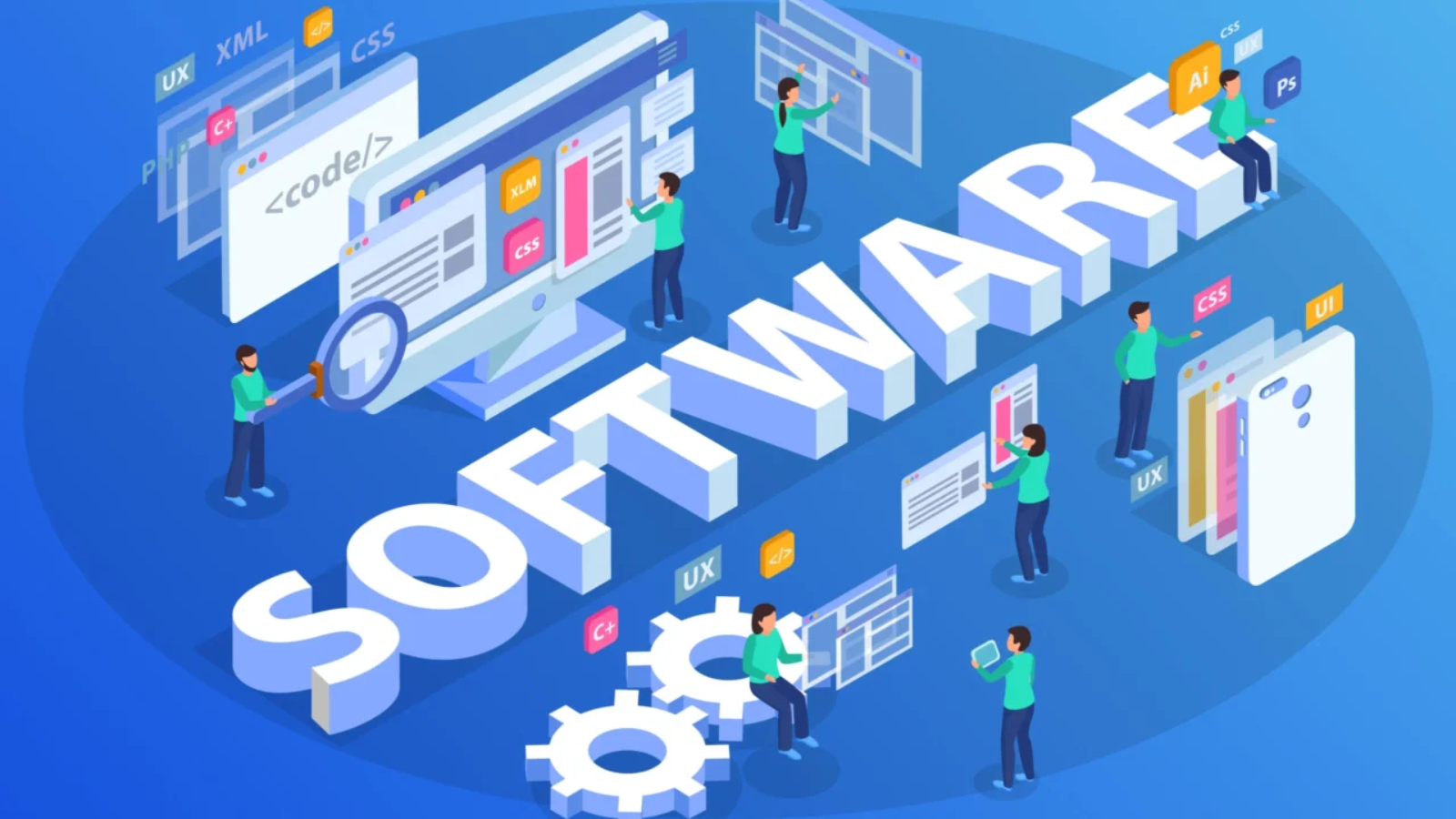
Top Custom Software Development Companies in 2025

In today’s increasingly fast-paced digital environment, businesses require more than off-the-shelf software products. Businesses must have systems built specifically around their processes, goals, and customers. This is the role of a software development company. A software company will develop, design, and maintain custom software that will help companies get the most out of the business, improve the customer experience, and help the company remain competitive in their industry.

Whatever your needs are; a new startup launching the first app, or a more established business creating a roadmap to modernize its legacy systems, the future of the business could depend on finding the right custom software development company. There are numerous companies out there, all claiming to be innovative, scalable, and reliable. This may lead you in the wrong direction trying to filter through the options available. We did the work of looking for great companies, because it’s important to find the right strategic partner. We have put together this guide not just to highlight a shortlist of great companies, but also to provide some insight as to the technical capability of the companies, client satisfaction projects and some kind of innovation. 

What Do Software Development Firms Do?

Software development firms specialize in building, testing, and maintaining software applications for specific business purposes. Unlike off-the-shelf programs, which can be purchased in store, custom software solutions are developed from the ground up based on customer specifications. A software development company can manage each step in the software development life cycle from brainstorming, to design, to development and deployment, and all the future support of that software.

General services might include:

  • Custom software development (desktop, mobile, and web apps)
  • UI/UX design for user experience
  • Software integration and migration
  • Cloud-based application development
  • Quality assurance and testing
  • Software maintenance and support

Companies across industries, including healthcare, fintech, eCommerce, logistics, and education, rely heavily on these services so they can operate efficiently, securely, and competitively.

Use Cases of Custom Software Development

It’s no longer a luxury, but a requirement for companies focused on growth, custom software development. A few use cases from the real world that explain why companies are hiring software development companies include:

  • E-commerce automation: Custom inventory management and CRM systems, both of which reduce manual tasks.
  • Fintech platforms: Work on secure digital payment transactions and trading platforms, with real-time analytics and status as well.
  • Healthcare management: Design HIPAA-compliant patient management and telemedicine software.
  • Enterprise solutions: Simplifying workflows with ERP and/or HR management software.
  • Education technology: Develop e-learning platforms and virtual classrooms for online education.

Custom software ensures scalability, flexibility, and total control of data/user experience, and you can fill in the blanks with out-of-the-box applications.

Top Custom Software Development Companies

1. Wantik Technologies

Wantik Technologies is an up-and-coming custom software development company that provides customized solutions that combine innovation, security, and scalability. They create web and mobile applications, as well as enterprise and cloud-based software, that are specifically aligned with the clients’ strategic goals. Wantik is known for its modern technology stack, agile development methodology, and effort to create a seamless user experience. 

Best for:

Businesses and startups seeking a scalable, data-rich, and user-friendly digital transformation. Wantik is a perfect fit for an organization that is seeking a trusted technology partner that does product development from planning, design, developing, supporting, deploying and maintaining the product. 

2. Esferasoft Solutions

Esferasoft Solutions is a custom software and digital product engineering company that focuses on helping companies across the world leverage technology to create modern scalable and secure software systems to enhance customer experience. The company has extensive experience in providing enterprise level solutions, Ecommerce solutions, mobile application development, AI based systems, and UI/UX engineering. The company’s focus on business performance and customer satisfaction, is combined with deep technical knowledge of enterprise systems to produce performance-based solutions that drive business value.

Best For:

Businesses who want to implement or create enterprise systems, build robust mobile applications, or develop a comprehensive digital transformation strategy that focuses on customer experience and business impact.

3. Apptunix

Apptunix is an award-winning mobile and web application development company that builds innovative, attractive and performance-driven applications. Also known for their ability to deliver innovative applications for clients in a variety of industries from food delivery and Healthcare to Mobility and Logistics. Apptunix has partnered with a number of organizations to successfully deliver hundreds of innovative applications to customers. With an extensive team of designers, developers and strategists, Apptunix places an emphasis on building intuitive end user experiences, supported by scalable and secure architecture.

Best For:

SMEs and Startups who want to develop mobile apps and MVPs quickly and affordably.

4.​‍​‌‍​‍‌​‍​‌‍​‍‌ SoluLab

SoluLab is a software development company known worldwide, which excels in blockchain, AI, IoT, and next-gen digital products. As a company, SoluLab engineers state-of-the-art solutions and hence, is the choice of collaboration of enterprises, startups, and Fortune 500 companies. The breadth of their knowledge and experience in dApps, automation platforms, and intelligent systems are the reasons why they become the band of tech leaders’ partners in whom innovation and digital transformation are the ultimate goal.

Best For: 

Companies with the primary focus on the use of cutting-edge technologies like blockchain, AI automation, smart contracts, or enterprise-grade digital transformation projects.

5. Daffodil Software

Daffodil Software is a trusted tech partner that provides custom software development, digital transformation, cloud solutions, and AI-powered systems services. Having a large team of talented engineers and a rich experience of many years, Daffodil is known for creating high-performing, secure, and scalable systems that are suitable in healthcare, fintech, retail, and enterprise industries. Their approach is a mix of innovation and long-term maintainability, which provides a room for solutions to grow alongside business needs.

Best For:

Large-scale businesses that require dependable development supported by rigorous R&D, sound engineering, and scalable cloud-native architecture. Perfect for companies that want advanced integrations, analytics-driven systems, or digital ​‍​‌‍​‍‌​‍​‌‍​‍‌modernization.

Final Thoughts

In a business world that is driven by technology, software development organizations play an important role in supporting companies in building several customized, effective, and scalable digital solutions. Software development companies empower organizations to remain competitive in a constantly changing digital environment, including automation of workflows or creating interactive customer experiences to drive engagement.

An essential part of success is selecting an appropriate partner to help you develop without compromising your timeline and budget, but who also shares similar visions and goals. Enabling businesses to build products, support transforming legacy systems, or have a viable path to new technologies, will not only allow the software to effectively pursue its design but will also enable the software to grow with the company over time.


Interesting Reads

The Role of Prompt Engineering in Building Next-Gen AI Systems

How AI and ML Together Improve Cloud Computing Efficiency

AI-Powered Smart City Innovations Transforming Dubai

AI Business Solutions

AI Business Solutions Blueprint for Smarter Innovation in 2025

In a society that celebrates constant change, AI Business Solutions have emerged at the forefront of a new, innovative way of operating. From automating daily activities, to enhancing customer experience and predictive analytics, artificial intelligence allows businesses to rethink how they think, plan, and scale. Today, businesses—whether they are big or small are no longer simply adopting AI as a tool but adopting it as a strategic partner.

As a business owner, digital marketer, or entrepreneur interested in advancing your operations with precision and creativity, this guide walks you through everything you need to know about AI Business Solutions, including types, applications, advantages, and how they are influencing and shaping the next evolution of digital growth.

What are AI Business Solutions?

AI Business Solutions are advanced software applications that employ artificial intelligence to streamline business operations, enhance decision-makers, and increase efficiency. These solutions rely on technologies such as machine learning, natural language processing, and automation to turn business data into meaningful insights. 

In contrast to traditional software applications, AI systems do not just process tasks. AI systems are needed in the ability to learn, adjust, and self-optimize over time. This way, your business will make smarter decisions, faster, while driving down cost and reduced manual work.

From chatbots used in customer service to advertising technologies based on AI-driven marketing automation and predictive analytics tools, AI is now the unsung hero to the success of modern businesses.

Why Does AI Business Solutions Matter?

Today’s business world is defined by data, personalization, and speed. AI connects the three seamlessly. Whether performing market trend analyses, predicting customer Behaviour, or automating workflows, AI is the decisive advantage in helping companies keep pace with their competitors.

Here’s why AI is no longer a choice:

  • Smart Decisions: AI systems sift through thousands of data points to reveal insights humans would never see.
  • Cost Savings: Removing workers from tedious tasks is a duty itself, reducing time, costs, and manpower.
  • Improved Customer Experience: AI-driven personalization drives improved customer experiences and retention.
  • Better Efficiency: Team members can use their time on their creative or strategic work, while AI takes care of most repetitive processes.

Simply stated, without AI Business Solutions, any business will be left behind.

Key Applications of Business Solutions with AI

Let’s elucidate some of the most effective applications where businesses with AI Solutions are transforming industries.

1. Marketing Automation and Lead Generation

AI-driven tools revolutionised the marketing analytics cycle. Platforms that leverage consumer behaviour and data analytics to deliver highly targeted, and personalized marketing campaigns quickly became a hot commodity.

For example, Lead Generation Tools in Dubai, integrating AI capabilities into their suite of platforms, allow businesses to hone in on only the best and highest quality leads using predictive analytics. Not only do these, and roadmap tools help with identifying potential customers, but they also score leads based on a level of purchase intent and even automates email outreach, relieving businesses of manual intervention.

Great For: Marketing agencies, B2B companies, eCommerce stores and startups selling into international markets.

2. Customer Relationship Management (CRM)

Traditional CRMs did well in aggregating customer data; AI-enhanced CRMs now leverage that data to help predict customer need, automate response, and suggest which action is best to take next. AI chatbots and virtual assistants have also begun to play a role in this important category to keep customers engaged 24/7.

Example use case: A traditional retail business uses the power of AI to predict buying behaviour and then sends focused product recommendations at the expected and ideal time to close sales, which, in turn, leads to more repeat sales.

Best for: Retail, SaaS and service-based businesses.

3. Predictive Analytics for Business Expansion

Data is the new currency, and AI is helping us decode it. Predictive analytics use machine learning algorithms to provide business with sales, demand, and market forecasts. Businesses can then depend on the forecasts to decide on proactive, rather than reactive, actions.

Use Case Example: A logistics company utilizes predictive AI models to determine whether a delivery may be delayed and reroutes the shipment accordingly, saving costs for the shipper and preventing potential damage to the company’s reputation.

Best For: Manufacturing, supply chain, logistics, and finance.

4. Human Resource Management

Finding and retaining top talent has never been easier. AI-tools analyse resumes and evaluate cultural fit and even predict employee turnover. Automated systems can handle payroll, onboarding, and training with limited manual effort.

Use Case Example: A growing startup uses an AI-powered human resource management tool to shortlist candidates from thousands of applications based on skill-set relevance and experience.

Best For: Enterprises, HR consultancies, and large-scale recruitment practices.

5. Financial Forecasting and Risk Management

AI systems in finance are increasingly being used for anomaly detection, risk mitigation in fraud alleviation, and to automate complex accounting processes. Furthermore, predictive models can help surface potential financial threats earlier, driving stabilization to the overall financial situation.

Even though this is a finance-related use case, I think we would get a compelling example of how businesses benefit from AI to limit risks covered here.

A bank’s agency employs an AI system to look at transaction patterns that measure potential fraud or attempted fraud, real-time.

Best for: banks, fintech start-ups, and investors.

Benefits of Leveraging AI Business Solutions

The benefits of using AI in your business operations go beyond automation. Here are the top benefits experts and organizations are reporting:

1. Improved Efficiency

AI simplifies redundant work, saves time, and speeds up the decision process to free up employee time towards higher value work. Automated data entry, reports, and scheduling save hours each week across the organization.

2. Improved Customer Experience

AI can analyse user behaviour and customize the experience across digital channels. Whether it’s chatbots, personalized recommendations, or sentiment analysis of a review, clients feel perceived and understood.

3. Real-Time Insights

AI has the ability to continually measure real-time data, allowing you to see how your operation is doing relevant to customer sentiments, performance metrics, current offerings, and/or share trajectory. This not only helps businesses to rectify situations but helps organizations pivot and adapt when customer or market conditions change.

4. Cost and Resource Effectiveness

With AI automating some repetitive and/or data-heavy processes, businesses can not only see operational reduction in costs through automating, but also can re-direct talent towards strategic efforts and innovation.

5. Competitive Advantage

Businesses that adopted AI Business Solutions early have already achieved measurable gains in Return on Investment, market reach, and brand trust. Those who have already begun using AI will be the first to know how and when to transform to the new age.

How Do I Choose AI Business Solutions

Selecting an AI solution will depend on your industry, your business goals, and your operational needs. Here’s a quick checklist to orient your decision:

  • Have Defined Business Goals: Identify what area of your business (marketing, sales, HR, or customer service) AI will make the most impact.
  • Choose for Integration: Select platforms that you had no problem integrating with your already existing solutions.
  • Consider Scalability: As your business grows, so should your AI business solutions.
  • Select Transparency: Make sure your AI business solutions give you clear data and insights.
  • Budget and Returns: Start small with one or two core automation, then grow without becoming overwhelmed.

The Prospects of Business Solutions for AI

AI will advance from automation to real collaboration. Businesses will increasingly rely on computer-driven insights for planning, sustainability and innovation. 

Trends like generative AI, AI-based design, and autonomous systems will change how companies do business. AI will not only predict, but it will also create new products, services, and customer experiences powered by intelligence generated from data. 

AI is not just an assist in innovation; it is innovation.

In Summary

The playbook for business solutions for AI is straightforward: Treat it as a partner for innovation rather than as a replacement for the workforce. Those enterprises that succeed within this new AI-driven era will be the ones that blend human creativity with machine intelligence. 

Whether it be automating workflows, customizing marketing strategies, or enabling smarter lead generation for your business, AI is the best automaton to take data and turn it into direction and innovation into growth. 

AI is not the future. It is the present. And the sooner you create the design for your organization, the smarter and resilient the innovation you will create.


Interesting Reads

Top Lead Generation Tool for Dubai Businesses in 2025

Python vs JavaScript: Comparison, Use Cases, Pros and Cons

AI Security Posture Strategies for Safer AI Deployment

Top Lead Generation Tool

Top Lead Generation Tool for Dubai Businesses in 2025

The digital landscape in Dubai is advancing quickly. From small businesses in Downtown Dubai to large companies in Business Bay, everyone is trying to find smarter, faster, and more efficient ways to reach customers. One underlying factor in all of this growth is lead generation.

If you’re advertising, emailing, or optimizing your website and still have a problem converting visitors into customers, you need to look into what a Lead Generation Tool can do for you. They help you automate or systematize how businesses find, attract, and nurture leads, and they’re essential in today’s marketplace.

What is a Lead Generation Tool?

A Lead Generation Tool is a software product that is developed to locate, capture, and help convert leads into potential clients for your business. Whether you are managing a real estate agency, a digital marketing agency, or an e-commerce site in Dubai, these tools help you find your high-quality leads through automating outreach, tracking engagement, and qualifying leads.  

Most lead generation tools can integrate with and/or enhance your existing website, CRM, or social media platforms, and let your team concentrate on what matters the most — turning interest into sales.  

In other words, you will spend significantly less time looking for contacts or sending mass messages, and in many cases, the lead generating tool will do most of the work for you.

Why Dubai Businesses Should Have a Lead Generation Tool

Dubai has a business environment based on innovation and technological usage. With the increasing number of companies in the market, the challenge is not being seen more, it is the ability to keep building consistent connections to the right people.

Here is the reason a Lead Generation Tool for Dubai Businesses is a necessity, not an option:

1. Highly Competitive in All Industries

Industries such as real estate, e-commerce, hospitality, and professional services are rapidly digitizing. Lead generation tools allow businesses to identify the right clients sooner and in a more cost-effective way.

2. Cultural Diversity in the Market

The Dubai market is multicultural with different preferences and purchasing behaviour. These tools offer the ability to segment audiences for personalized campaigns and reach potential clients where they prefer.

3. Change to Digital Transformation

With AI and automation leading the way, lead generation tools provide analytics, automation, and targeting capabilities that you cannot accomplish with manual marketing.

4. Real-Time Data Insights

A good tool can track user behaviour and daily engagement patterns, allowing you to optimize campaign results immediately.

The Best Lead Generation Tool for Dubai Organizations: HubSpot

Among the hundreds of Lead Generation tools available in the market today, HubSpot remains the best Lead Generation tool for Dubai organizations — and for good reason.

HubSpot is not simply a CRM. It is a full inbound marketing and sales platform that enables organizations to manage contacts, track leads, automate their marketing activities, and assess performance in one place.

What’s so powerful? Let’s break it down.

What HubSpot does (and who is it best for?)

HubSpot’s Lead Generation system provides Dubai organizations the ability to get in front of the right audience through many channels, including forms, landing pages, live chat, email marketing, and automation workflows.

Best For:

  • Small to mid-sized organizations looking to automate their marketing and sales process.
  • Agencies and service providers who are targeting long-term relationship nurturing.
  • Enterprises that need an integrated CRM with advanced analytics and reporting capabilities.

Use Cases:

  • Real Estate Agencies can capture property leads via landing pages and automatically trigger personalized emails to follow up.
  • E-commerce Stores can track behaviour, recover cart abandonment, and reach out with product recommendations.
  • B2B Organizations can automate outreach and track the lead through the first touch and the conversion.

Key Features That Make HubSpot the Best Lead Generation Tool

1. All-in-One Marketing and Sales Platform

HubSpot combines lead capture forms, email automation, CRM, tracking of social media, and analytics into one easy-to-use system.

2. Smart Leads Tracking

It allows you to learn who is visiting your website, what pages they have looked at, and how they are interacting with your content — making it easy to know which leads need our attention.

3. Automated Workflows

Whether it is a welcome email or a drip campaign, HubSpot’s automation makes your life easier while still allowing the user to have a personalized experience.

4. Landing Page Builder

Quickly create responsive and high-converting landing pages in minutes without requiring a coding background.

5. CRM Integration

The CRM automatically records lead data and interactions to ensure you do not lose any prospects’ valuable information.

6. Live Chat & Chatbots

Instantly connect with visitors using automated chat, or a live customer service agent — great for Dubai businesses that receive inquiries 24/7.

7. Advanced Analytics & Reporting

HubSpot has great reporting on performance at every stage of your funnel, helping ensure you can make the right decision.

Benefits of HubSpot as a Lead Generation Tool

  1. Easily Integrates – Works seamlessly with Google Ads, Facebook, LinkedIn, Shopify, and WordPress.
  2. User Friendly Experience – Very easy to navigate, even for someone who has never used CRMs, marketing apps, or analytics tools before.
  3. Scale Automation – HubSpot eliminates repetitive every-day tasks, all while maintaining or possibly even optimizing the conversion rate.
  4. AI Analysis – Smart led scoring, and predictive analytics, identify leads who are most likely to convert.
  5. Global Application – A great fit for Dubai’s enterprise market.

How HubSpot Supports Dubai Business Needs

Dubai’s dynamic enterprise landscape demands solutions that are fast, scalable, and adaptable to its client needs. HubSpot addresses each of these precise requirements through both localized marketing automation and analytics based strategies.

1. Multi-Language and Multi-Currency Support:

The Dubai market comprises Arabic and also English speakers. HubSpot takes this into account and is a multi-language implementation, and supports many regions’ currencies to specifically engage a dominant consumer base.

2. Integration with Local CRMs and Tools:

HubSpot seamlessly integrates with other commonly used tools in the region such as Zoho, Salesforce, or WhatsApp Business API, allowing businesses to centralize and streamline communication.

3. AI Personalization:

Ultimately, HubSpot uses AI behavioural and demographic suggestions to personalize emails, ads, and landing pages items which is a great way to target and engage Dubai’s diverse consumers.

4. Support for Remote Work and Hybrid Work:

As more businesses pivot to hybrid work cultures, HubSpot’s cloud-based dashboard enables companies to manage their leads from anywhere in their UAE offices.

How to get started with HubSpot in Dubai

A lead generation tool like HubSpot can be implemented by companies in Dubai without needing a technology degree. Just follow these simple steps and you’ll be on your way:

Sign up for HubSpot’s Free CRM Plan

Download the free version so you can get a feel for contact management, live chat, and email tracking.

Integrate the Platforms You Currently Use

Link your website, email, and social media accounts to connect all your channels into one space where you can sync everything.

Create Lead Forms and Landing Pages

Create attractive landing pages with highly optimized call-to-actions aimed at your audience in Dubai.

Set Up Automate Workflows

Automate your follow-ups and nurture campaigns for quicker conversion timelines.

Track and Analyse Performance

Use HubSpot’s analytics dashboard, to check which leads are coming from which campaigns.

Other Popular Tools for Lead Generation

While HubSpot is the best option, and often the best platform for many, here are two other platforms who excel at metrics specifically for businesses in Dubai:

  • Zoho CRM – A great option for smaller businesses, affordability, and customization.
  • LinkedIn Sales Navigator – A great option for B2B lead generation and prospecting outreach.
  • Pipedrive – A visual CRM that works well for tracking the stage of a deal
  • Salesforce – A true heavyweight enterprise solution that offers comprehensive analytics for large-scale operations.

Each tool has its advantages, but HubSpot is simply better in terms of its ability to combine usability, automation, and performance tracking than most of its competitors.

Conclusion

Lead generation is not only about collecting leads, it is also about relationship building, majoring your data, and automating meaningful engagement for your business. For companies in Dubai operating in a fast-paced digital landscape, investing in the right Lead Generation Tool can be the difference between growth and stagnation.

While there are many tools out there, HubSpot for sure is the leading lead generation tool for businesses in Dubai, that offers anything from advanced CRM integration to the power of insights driven by AI, to automation, and analytics.


Interesting Reads

AI Security Posture Strategies for Safer AI Deployment

Python vs JavaScript: Comparison, Use Cases, Pros and Cons

Computer Vision vs Machine Learning: Key Differences and Use Cases

Python vs JavaScript

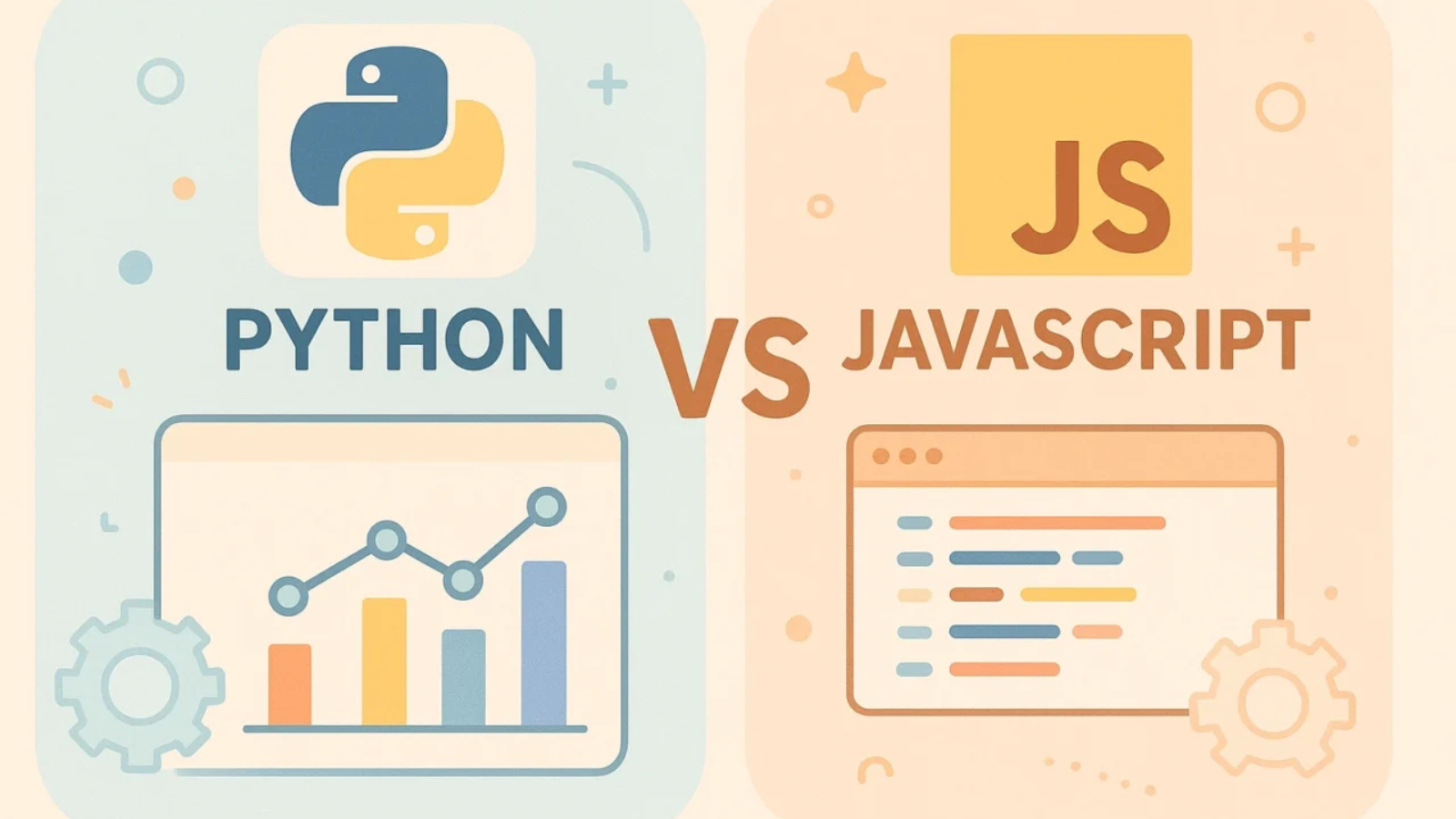
Python vs JavaScript: Comparison, Use Cases, Pros and Cons

A significant area of discussion within programming revolves around programming languages, especially Python and JavaScript. If we look to the technology sector, we don’t need to look too far to find that both are the most widely utilized programming languages, each with strengths that meet their intended aims. This means that whether you’re a beginning programmer or your organization is seeking to produce the best product, knowing the differences, as well as the pros and cons of each, is crucial.

At a glance both Python and JavaScript look the same in that they are both a high level, interpreted, programming language that are designed to be as simple and flexible as can be, but in practice they are playing different roles in development. Python is typically used for AI (artificial intelligence), data analytics, and as a backend framework, whereas JavaScript is intended to add interactivity in regard to the web, or create mobile applications which dynamically involve user interaction. 

What is Python?

Python​‍​‌‍​‍‌​‍​‌‍​‍‌ is a high-level, general-purpose programming language which emphasizes a clear syntax that is often described as being quite similar to the English language. Its creator, Guido van Rossum, released it in 1991 and the main idea was that the code should be as readable as possible, just like normal English.

As a matter of fact, Python is now the top choice of developers, data scientists, and researchers because of its user-friendly nature and flexibility. The language is basically an all-in-one tool for any idea you have, from setting up servers for websites, to training deep learning models, to even task automation.

What really makes Python stand out from the crowd is the number of libraries it has. Libraries such as Numba, Pandas, TensorFlow, Scikit-learn, and Django offer endless possibilities to developers, anything from doing complex calculations for scientific research to building powerful web apps can be achieved in no time.

In addition, Python encourages quick coding and is very approachable for beginners, which means it is a great selection for people that are just starting out in programming.

Python is best suited for:

  • Data analysis and visualization
  • Machine learning and artificial intelligence
  • Backend web development
  • Automation and scripting
  • Software prototyping

What is JavaScript?

JavaScript is the major force that enables the World Wide Web to function. The language was launched in 1995 by Brendan Eich and after that, it has been constantly improved and extended to the point where it now forms the base of modern software development.

The main purpose of JavaScript when it was first developed was to bring interaction to web pages. Nevertheless, with enhancements like Node.js, React, Angular, and Vue.js, this technology can be employed both on the frontend and backend, thus allowing the creation of complete web applications with a single language.

In distinction from Python which according to the majority of users is meant to be utilized on server-side, JavaScript is executed directly in browsers, thus providing immediate changes and also dynamic user interfaces without the need to load the entire page again. Moreover, it is also the hardest to name besides a few that can do client-side and server-side programming simultaneously, i.e full-stack development.

JavaScript is best suited for:

  • Interactive and dynamic web applications
  • Frontend and full-stack development
  • Real-time applications (like chat systems or streaming apps)
  • Mobile app development (with React Native or Ionic)
  • Browser-based ​‍​‌‍​‍‌​‍​‌‍​‍‌games

Use​‍​‌‍​‍‌​‍​‌‍​‍‌​‍​‌‍​‍‌​‍​‌‍​‍‌ Cases of JavaScript

JavaScript remains the primary means of creating an interactive website, as well as for dynamic front-end development. Most of its utilization can be found in the following areas:

  • Frontend Web Development: JavaScript is the main source of energy for the change of dull user interfaces into interesting ones. Libraries like React, Vue.js, and Angular not only make frontend development easier, but also more efficient.
  • Backend Development with Node.js by using Node.js, JavaScript is transitioned to the server-side, thus full-stack development is achievable, which means that one language can be utilized for the whole application.
  • Mobile App Development Programmers can create cross-platform mobile applications that operate seamlessly on both Android and iOS through the implementation of the React Native framework.
  • Game Development: with the help of such engines as Phaser and Three.js, JavaScript can offer simple games that a user can run in a browser, as well as it can be used for 3D animations and graphics creation.
  • Real-Time Applications: JavaScript’s event-driven architecture is a perfect match for the needs of the apps that are dependent on the latest changes, for instance, a chat app, or a streaming service, where the user interaction is done in real-time.

Pros and Cons of Python

Advantages of Python:

  • It is very simple and extremely easy to understand.
  • Just right for quick development and making prototypes.
  • Which is basically a huge number of libraries for AI, data science, and automation.
  • Having a good number of developers spread all over the globe, its community worldwide is very supportive.
  • Extremely portable and can be easily integrated with other technologies.

Disadvantages of Python:

  • Compared to compiled languages such as C++ or Java, it is slower.
  • Not a very good choice for mobile app development.
  • Also, the support for browser-based applications is very limited.
  • Dynamic typing may sometimes cause runtime errors.

Pros and Cons of JavaScript

Pros of JavaScript:

  • Does not need any other software, and works straight away with browsers, thus enabling interactivity to be done in real-time.
  • Highly adaptable and can be used to create frontend, backend, and even mobile applications.
  • When done with the help of high-quality engines like V8, it is very fast in its performance.
  • Along with a large community, it also has a decent number of frameworks to provide support.
  • Asynchronous programming, which is the key to enabling real-time applications, is something JavaScript is particularly well suited for.

Cons of JavaScript:

  • Security-wise, it can have problems, as it is open on the client-side.
  • At times, it might be very hard to find the location of errors in asynchronous code.
  • Inconsistencies in performances may result from different browsers.
  • Non-strict typing may cause a presence of unfound logical errors. ​‍​‌‍​‍‌​‍​‌‍​‍‌​‍​‌‍​‍‌​‍​‌‍​‍‌

Python​‍​‌‍​‍‌​‍​‌‍​‍‌ vs JavaScript: Performance and Community Support

JavaScript is substantially faster than Python when it comes to performance. This is due to the fact that the engines it uses are optimized for the browser. JavaScript is thus the best candidate for web applications that are interactive and loading fast.

On the other hand, the Python development process is way more convenient and comfortable for logic-heavy types of applications like AI models, financial software, and data processing systems.

As far as community and ecosystem are concerned, the both languages that are being discussed here have strong ones. Python has a better grip on the academic and data science community, while in the web development sector, JavaScript has the leading position.

Which Language Should You Choose First?

When it comes to web development, frontend design, or building real-time apps, your first step should be learning JavaScript. Creating modern websites and apps is where it’s most needed, plus it carries one of the largest developer ecosystems in the world.

On the contrary, if you are attracted to dabbling in data science, automation, backend development, or AI then Python would be the best choice. The language is more user-friendly, simpler for beginners, and provides unlimited possibilities in the future tech fields.

Eventually, the majority of developers make a decision to learn both Python and JavaScript.

These two languages complement each other.

Conclusion: Python vs JavaScript – The Final Verdict

The Python vs JavaScript comparison is not about which is better overall, it is about choosing the most suitable tool for your goal. For instance, intelligent systems are to be built if you desire to automate tasks or analyse large datasets. In that case, Python is the best companion to have around. It not only makes the operations simple, but research-driven development also goes faster.

On the other hand, if your aim is to produce websites that engage visually, interactive dashboards, or real-time web applications, then JavaScript is the language that you must have.

Both Python and JavaScript have given ways to their successors, but still, they will not disappear soon. The brightest option? Getting proficient in both – the combination of Python’s intelligence and JavaScript’s interactivity is a perfect duo that defines present-day ​‍​‌‍​‍‌​‍​‌‍​‍‌technology.


Interesting Reads :

AI Security Posture Strategies for Safer AI Deployment

Computer Vision vs Machine Learning: Key Differences and Use Cases

The Rising Importance of Intelligent Testing in Modern Software Environments


Computer Vision vs Machine Learning

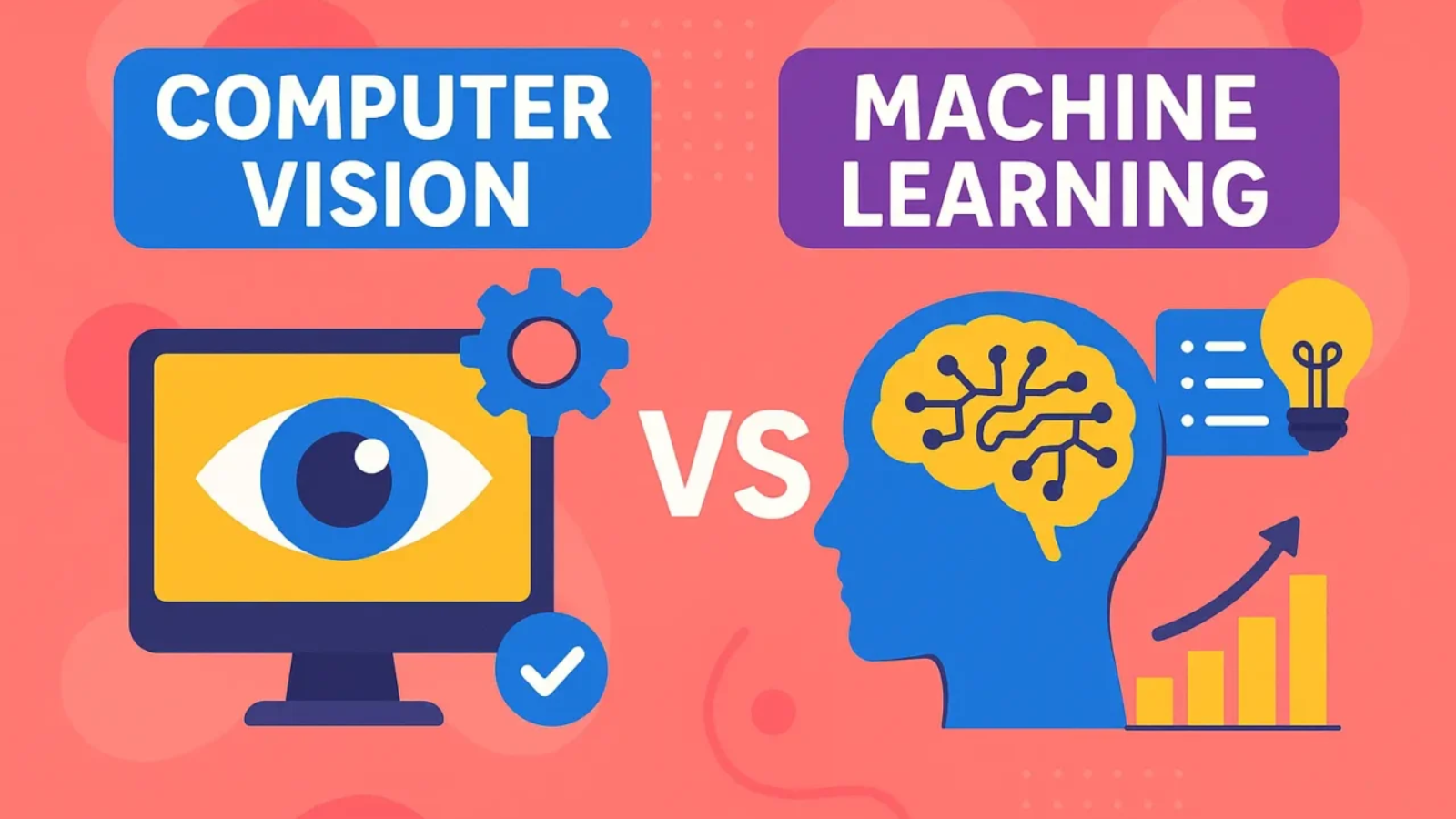
Computer Vision vs Machine Learning: Key Differences and Use Cases

Artificial​‍​‌‍​‍‌​‍​‌‍​‍‌ Intelligence (AI) keeps on changing the different sectors that it can imitate and even improve human intelligence. Two of the most vibrant branches of which are Computer Vision vs Machine Learning which, for their revolutionary contributions to automation, analysis, and intelligent decision-making, stand out. In fact, these are three closely related fields that are usually integrated in modern AI systems, but they have different aims and work in different ways.

Technology wise, computer vision vs machine learning are both to be distinguished as having different roles when it comes to how computers handle information and react in an intelligent manner to the data. They both belong to the domain of artificial intelligence, but they differ in the kind of data they work on, the results they generate, and the methods they employ to reach those results.

What is Machine Learning?

Machine Learning (ML) is a part of Artificial Intelligence that helps systems learn from data without clear-cut programming. ML algorithms look at patterns and make guesses or choices based on what they’ve seen before, rather than following set rules. Think about teaching a computer using thousands of email examples marked as “spam” or “not spam.” As time goes on, it starts to spot the things that set one apart from the other—like fishy words or sender web addresses—and uses this knowledge for future emails.

Main Methods in Machine Learning

  • Supervised Learning – Data with labels trains models. For instance, guessing house prices using location and size.
  • Unsupervised Learning – Models discover hidden trends in data without labels, like putting customers in groups based on what they buy. 
  • Reinforcement Learning-The model gets to learn through making mistakes and successes by receiving rewards or punishments for its actions.

Key Applications of Machine Learning

  • Recommendation Systems: The likes of Netflix, YouTube, and Spotify employ ML to keep your experience unique and personal.
  • Fraud Detection: Financial institutions utilize ML algorithms in spotting transactions that are out of the ordinary.
  • Predictive Analytics: Corporations employ ML models for forecasting sales, demand, or customer churn.
  • Voice Assistants: The use of ML is the main reason behind Alexa and Siri being able to understand human language

To summarize, Machine Learning is what makes AI systems capable of changing, being more efficient, and getting better by using the same principle of data exposure over ​‍​‌‍​‍‌​‍​‌‍​‍‌time.

What is Computer Vision?

Computer Vision focuses on an area of Artificial Intelligence where computers can perceive the world visually, similar to how human eyes and brains perceive and understand vision. This area focuses on teaching computers and machines how to “see.”’. The machines can process the images and videos in a meaningful manner.

For example, smartphones unlocking using facial recognition, and self-driving cars identifying and responding to traffic signs and signals, are all using systems of Computer Vision and in each case visual data recognition is a critical step

Core​‍​‌‍​‍‌​‍​‌‍​‍‌​‍​‌‍​‍‌​‍​‌‍​‍‌​‍​‌‍​‍‌​‍​‌‍​‍‌ Techniques in Computer Vision

  • Image Classification: The most basic understanding of the image, the decision to assign a single label to the entire picture (e.g. one would call “cat” or “dog”).
  • Object Detection: Finding the accurate spots of the different things, visually identifying the items in the given photo.
  • Image Segmentation: Dividing an image into smaller pieces in order to have a more detailed look at it.
  • Feature Extraction: The system learning features of an image such as edges, colours, or shapes.
  • Optical Character Recognition (OCR): Helping the machines to read the text that is printed or handwritten in the photos by changing them into a machine-readable format.

Deep Learning, mainly Convolutional Neural Networks (CNNs), is the major method in this area of Computer Vision, as it basically tries to copy the way the human brain identifies and processes visual ​‍​‌‍​‍‌​‍​‌‍​‍‌​‍​‌‍​‍‌​‍​‌‍​‍‌​‍​‌‍​‍‌​‍​‌‍​‍‌abstractions.

Computer Vision vs Machine Learning: Key Differences

Though​‍​‌‍​‍‌​‍​‌‍​‍‌ Computer Vision and Machine Learning are closely linked, they are two completely different areas that differ in their focus and extent. Let’s look at the detailed descriptions to see how they differ:

1. Purpose and Function

Machine Learning is all about giving machines the ability to figure out patterns from data by themselves and to make decisions that are based on data. The main focus of this area is that of dealing with data, which can be in the form of either numbers, text, or structured data.

Computer Vision, however, is entirely different and focuses exclusively on understanding the world through visuals, i.e. it looks at pixels to get the information from images and videos.

In essence, machine learning is about ”learning from data,” whereas computer vision is about ”seeing and interpreting”.

2. Data Type and Input

Machine Learning models are very flexible when it comes to data that can be used for them since they can be given data in the form of numbers, text, and even audio and images.

At the same time, Computer Vision is very specific in the sense that it only works with data that have a visual character (images or videos).

Thus, an ML program could be used to facilitate the prediction of stock market trends by examining the historical data that would then be given to it, while a Computer Vision system would be in the position to accomplish the task of detecting product defects in the manufacturing industry by looking at the product image.

3. Techniques and Algorithms

Machine Learning comprises a set of algorithms such as Linear Regression, Decision Trees, and Support Vector Machines that are used to find patterns in the data that is provided.

On the contrary, Computer Vision mainly depends on Deep Learning models to achieve their goals, in particular, Convolutional Neural Networks (CNNs) for activities such as image recognition and classification.

Computer vision (CV) is a technology that mainly relies on machine learning and deep learning for its computation. Still, it further complicates the matter by including image processing and feature extraction, which are at another level.

4. Output and Goals

Machine Learning is a method that helps in achieving such results as predictions, classifications, or even recommendations.

Computer Vision is characterized by an output in the form of the visual understanding that can be, for instance, the detection of a face, the recognition of an object, or the identification of the motion of a video.

Even though Machine Learning can play a role in Computer Vision, as CV mostly employs ML techniques to predict images, the final goals of these two areas are still ​‍​‌‍​‍‌​‍​‌‍​‍‌different.

The Role of Machine Learning in Computer Vision

It is important to understand that Computer Vision does not function in a vacuum. Common practice is to develop models with Machine Learning to analyse and classify invisible information.

Here is a quick overview of these processes:

Data Preparation: Images are inspected and labelled.

Model Training: Machine Learning algorithms take these labelled data and learn.

Prediction: Once the model is trained, it can categorize new images it hasn’t seen before.

Machine Learning Benefits:

  • Continuous Learning: Models become smarter over time the more data it sees.
  • So Much Variety: You can apply this skill in every industry-from finance to entertainment.
  • Automation: Machine Learning can automate tasks and increase your efficiency.
  • Prediction: Machine Learning can help organizations predict diagrams of a potential state into the future.

Computer Vision Benefits:

  • Understanding Visuals: Machines can “see” and interpret the world.
  • Accuracy and Precision: Computer Vision can detect details in visuals that may be out of the reach of human detection.
  • Real-Time Processing: It is important to make machine decisions quickly in some industries, such as automation or traffic management.
  • IoT and Robotics Integration: Machine Learning helps IoT devices and robots be smarter.

Conclusion

Computer Vision vs Machine Learning discussion will never be about which will win; it will be about understanding their distinct roles or functions and how they can work together to create capabilities that move artificial intelligence forward.

Machine Learning allows systems to learn from data, and make intelligent predictions, while Computer Vision gives them the understanding of the visual world to be able to see. Altogether and together, they are allowing us and leading us to our next generation of smart technology including: autonomous vehicles, medical imaging, facial recognition, and industrial automation, etc.

As technology and innovation continue to develop and evolve, this intersection of Computer Vision and Machine Learning will define how the machines will see and experience reality. It will transform industries, automate practices, and curate the future of the digital world.


Interesting Reads
Ways Generative AI in E-commerce Enhances Online Sales

How to Create a Mobile App MVP from Idea to Launch

B2B SEO vs B2C SEO Marketing: Key Trends for 2025

IT Operations (AIOps) in UAE

Why Predictive Analytics Is the Future of IT Operations (AIOps) in UAE

If you are in IT in the UAE, you are already aware that operations is no longer solely dealing with fires – it is also working within cloud migrations, hybrid environments, rapid scaling, and cyber risks – that is not traditional monitoring and keeps the monitoring of traditional monitoring and monitoring tools stretched thin. That brings us to IT Operations (AIOps) in the UAE; bringing together predictive analytics, AI, and automation to deliver IT operations with a smarter, more proactive, and resilient approach.

AIOps (Artificial Intelligence for IT Operations) is the use of machine learning and advanced data analytics to ingest, correlate and take action on data across your IT stack blends logs, metrics, events, and traces – basically all sources of operational data. When you insert a predictive analytics component, you are no longer reacting to alerts, you will be anticipating alerts and can often remediate before the user is affected or alert users beforehand.

This measurement is best suited for organizations in the UAE that have;

  • Complex, dynamic IT environments (hybrid and multi cloud, and microservices)
  • Volume of operational data that is occurring faster than their human teams can analyse and work on (logs, metrics)
  • Comply or SLAs that require high uptime / low MTTR
  • They have ambitions of reducing operational overhead, improving incident response and/or making systems self-healing.

Think of banks, telecommunications providers, government agencies, large retailers, or managed service providers in the UAE – any of these types of organizations can derive value from AIOps and predictive analytics.

Why the future of IT Operations (AIOps) in UAE is predictive

Let me make a definitive statement (that is slightly based on opinion): IDC envisions that in the UAE, IT operations that focus on traditional dash boarding and reactive alerts (of an established APM, ITSM or observability solution) are on their way to extinction. Allow me to elaborate on the future of predictive analytics in this region:

1. Scale and complexity require it

The velocity of digitalization by UAE organizations (smart city initiatives, fintech, IoT and e-government) is generating significant growth in operational data – with the scales of size and complexity that I believe rule-based alerts and manual correlating cannot keep up with.

2. Downtime is expensive

In certain industries such as financial services, government, and similar operations, even a small outage will have very significant reputational and financial costs. Utilization of predictive analytics can minimize incidents of unseen failures and can also help detect anomalies detected prior to them cascading.

3. Proactive maintenance and optimization

Using modeling principles that are based on prediction can assist with anticipating asset capacity bottlenecks, resource exhaustion and hardware degradation which allows the IT operation to alleviate the chaos and react appropriately, before there is greater service degradation.

4.Operational efficiency and automation

Predictive analytics frees human teams of repetitive or annoyingly trivial tasks (such as log triage, alert correlating) and enables IT operations people much more priceless time working on high-value activities like architecture and innovation. 

5. Alignment with the UAE’s AI vision

The UAE’s Strategy for Artificial Intelligence emphasizes the country’s mandate for accelerating the adoption of AI in both public and private sectors. AIOps + predictive analytics capture those initiatives perfectly.

Use Cases of Predictive Analytics in IT Operations (AIOps)

Here are real-world examples (or possible possibilities) where predictive analytics can have strong impacts within organizations in UAE:

1. Preemptive Incident Avoidance within banking/fintech:

Banks in the UAE manage enormous contract transactions, while meeting strict SLA expectations. AIOps can evaluate incidents from the past, including network latency, transaction logs, etc, to establish a trend (e.g., slowdowns via querying their database) before a full-blown outage. The system can launch a remediation workflow (e.g., scaling the replicated database) automatically, or alert engineers with the complete context.

2. Smart City/Government Services uptime:

Municipal services, traffic control environments, utility monitoring, and public portals for billing, must always be on. AIOps predictive analysis can identify abnormal behaviour in sensor data, edge networks, or a load spike on a particular sensor, that would provide the opportunity for a reconfiguration (e.g., routing vehicles away from the worst path) before it impacts citizens.

3. Telecom/5G networks:

Telecom operators in the UAE can leverage predictive analytics to predict cell tower hardware failures, traffic issues, or routing limits before service degradation. They can implement preventive maintenance or load balance before customers even notice.

4. Retail / E-Commerce Demand Spikes

During the UAE’s significant retail events (e.g. shopping festivals), systems experience demand spikes.  Predictive analytics can help identify these spikes based on historical patterns to plan ahead of time for additional infrastructure or cache strategies.

5. Cloud Cost Optimization and Capacity Planning

Utilizing predictive models, hourly patterns can predict future resource demand trends (CPU, memory, storage) across your cloud/hybrid environment in order to plan ahead in time for “scaling”. Plan scaling in advance of peaks so you can avoid over-provisioning or having to increase costs quickly in the event of unexpected demand. 

6. Security & Anomaly Detection

Although security often exists as a separate topic, predictive analytics within AIOps can detect less conspicuous anomalous behaviour within logs or access patterns–for example, zero-day attacks or insider abuse of credentialling–and flag those as anomalies before completing a compromise.

Pros of applying predictive analytics in IT Operations (AIOps) in UAE

  • Reduced downtime, quicker MTTR : Using predictive alerts can mitigate risk early and remediation automatically reduces response times.
  • Operational cost reductions : Fewer manual actions, less escalation rates, and better resource utilization lowers your staffing and infrastructure costs.
  • Scalability and adaptability : As your infrastructure expands, your AIOps engine can scale — humans cannot.
  • Better visibility into the context : Predictive systems pull together insights from data silo (logs, metrics, events) to surface root causes with context not fragmented alerts.
  • Competitive advantage : In UAE’s fast-paced technology environment, being proactive gives you an advantage in reliability and customer trust.
  • Alignment with the National AI strategy : Utilizing these AI operations aligns to the UAE’s bigger AI and digital transformations.

Challenges

1. Data quality and maturity

For predictive models to work, they need historical, clean, and well-handled data. If your logs are inconsistent or siloed, you will need to think about investing in data hygiene and integration capabilities.

2. Skill and adoption curve

Teams will simply need to understand how to trust and engage with automated accounts. You will need to invest in some upskilling (which suppliers in UAE are already providing AIOps training in this area).

3. Upfront Investment / tooling costs

Licensing, infra, and implementation costs could be substantial. Smaller firms probably require a reasonable path to ROI.

4. False positives / trust concern

At the very start, predictive systems can create noisy alerts. This means tuning and feedback loops are important.

5. Regulatory/compliance constraints

In industries such as healthcare or finance, you will need to assure your predictive systems are compliant with data privacy, audit, and governance.

6. Change management

Changing people from a reactive “put out fires” culture to trusting predictive automation takes time and changes leadership.

In Conclusion

If you are managing IT operations in the UAE, you are at a crossroads – either utilize predictive AIOps or risk falling behind. The region is ripe: regulatory support, digital transformation pressures, and ambitious AI strategies means it is time to invest.

Yes, the journey will require caution – data, skills, change management – but the upside is enormous: fewer outages, lower costs, leaner operations, and a more competitive position. In my opinion, a serious organization in the UAE, with anything more than trivial IT operations, should at a minimum be considering predictive analytics in AIOps today.


Interesting Reads

Cybersecurity in Dubai: Challenges, Risks, and Smart Solutions

How AI in Dubai Retail Improves Customer Experience and Sales

How Multilingual Email Marketing Boosts Customer Retention